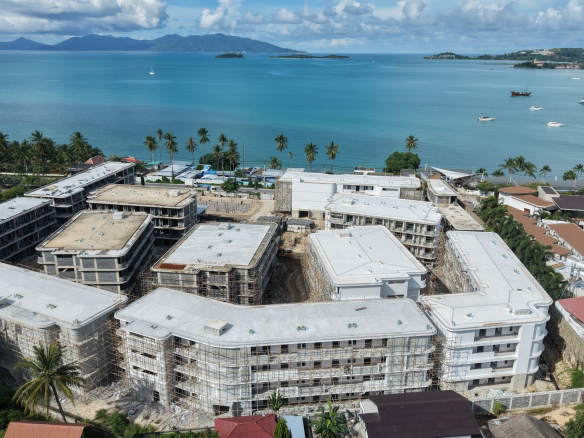
By MAREK · MyThai.House · Market review: 16 November 2026
Thailand’s condo market is changing, but it is moving in several directions at once. Bangkok and Pattaya offer an enormous choice of apartments, including units that can take a long time to resell. Koh Samui is developing a broader condominium market alongside its established villa scene. Phuket continues to attract international buyers, particularly Russians, while a growing supply of competing projects makes selection more important.
For a buyer, the interesting question is no longer simply “Where is property booming?” It is: where can I buy the right ownership structure, in a building people actually want to use, at a price that still makes sense when I eventually sell?
The foreign ownership quota, changing immigration policies and scrutiny of nominee arrangements all influence that decision. Yet none explains the market on its own. This guide separates the latest reported figures from our interpretation and looks at what the changes mean for buyers considering Bangkok, Pattaya, Koh Samui or Phuket.
Thailand condo market: the key points
- The standard foreign freehold quota remains 49% of the total area of all condominium units, rather than 49% of the number of apartments.
- Sales can recover while a large inventory remains available. Greater Bangkok’s recent results illustrate exactly that.
- Samui’s expanding choice includes completed properties, construction projects and off-plan launches. They carry different risks.
- Phuket’s foreign ownership transfers have been strong, but new sales and completed transfers tell different stories.
- A higher foreign quota and taller buildings in Samui should be treated as potential policy changes to monitor, not benefits already included in a purchase.
1. Bangkok and Pattaya: a large market with a complicated exit
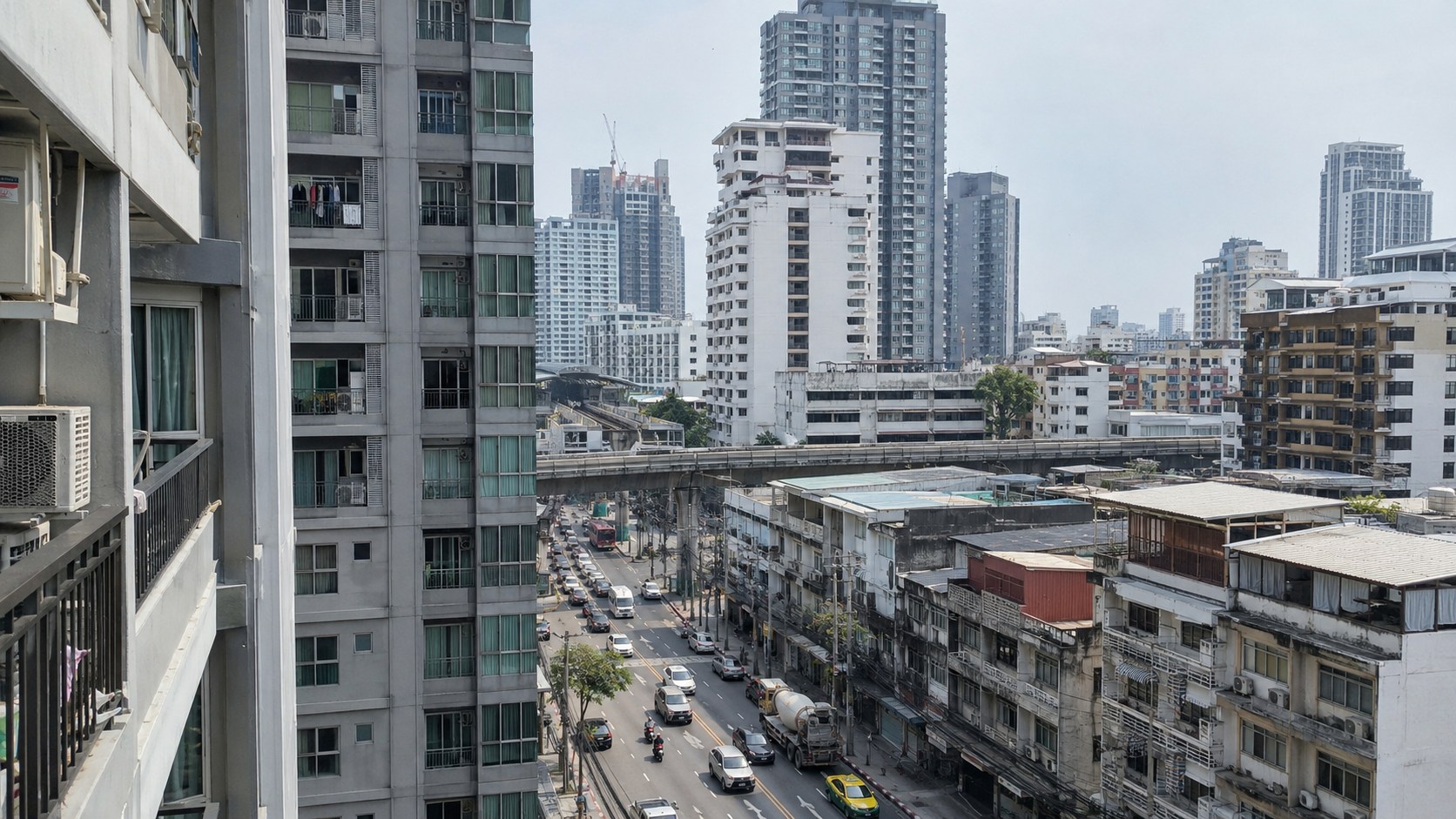
Browse apartments in Bangkok or Pattaya and the choice can feel almost endless. For buyers, that creates room to compare layouts, neighbourhoods and prices. For owners trying to sell, it means competing with other resales and with developers offering new furniture packages, payment terms or promotional prices.
However, “nothing is selling” would be an inaccurate description of Bangkok. REIC figures reported by The Nation show that new condominium sales in Bangkok and five surrounding provinces rose 19.5% year on year in Q2 2026. At the reported sales pace, condominium inventory still represented approximately 39 months of supply. The often-quoted 202,414 unsold units covered all surveyed housing types, not condominiums alone. Read the Greater Bangkok market report.
That combination matters: an improving flow of sales does not instantly clear years of accumulated stock. The months-of-supply estimate is also a snapshot, not a prediction that every apartment will sell within 39 months. New launches, cancellations, prices and demand will change the outcome.
In Pattaya, local reporting has highlighted accumulated condominium supply, particularly around Jomtien and southern beachfront areas, and competition between developer stock and resales. This is evidence of pressure in particular segments, rather than proof that every building or neighbourhood is equally oversupplied. Pattaya Mail’s market analysis provides useful local context.
Why some units are difficult to sell
A condo can struggle to find a buyer for several ordinary reasons: the asking price is too high, the building has aged poorly, the layout is inefficient, transport access is inconvenient, or nearby developments offer a stronger package. Financing constraints also matter for Thai purchasers. In its Greater Bangkok reporting, REIC identifies weak purchasing power and cautious lending as part of the wider housing-market picture.
Our view is that buyers should investigate the building before relying on the city’s reputation. Ask for evidence of recent completed transactions, not just online asking prices. Compare the same ownership category, similar floor levels and similar views. A discounted Thai-quota apartment is not automatically a direct substitute for an available foreign-freehold unit.
The 51% Thai quota: what the rule actually means
Section 19 bis of Thailand’s Condominium Act sets the standard foreign ownership ceiling at 49% of the aggregate area of all units in the condominium. People often describe the balance as the “51% Thai quota.” It is not a requirement for 51% of apartments to be occupied by Thai residents, nor a rule measured simply by counting doors. The Department of Lands publishes an English translation of the Condominium Act.
Consider a simplified building containing 10,000 square metres of condominium unit area. The standard foreign ownership ceiling would be 4,900 square metres. The number of units within that area depends on their sizes. A mix of studios and large penthouses makes a headcount misleading.
When that ceiling has been reached, an additional foreign purchaser cannot simply register another unit as foreign freehold under the ordinary quota. That can limit the pool of eligible buyers for remaining stock. But it does not establish that the quota caused the entire market’s inventory problem.
Before paying a reservation deposit, obtain a clear written explanation of the proposed tenure and the current quota position. The government’s transfer-document guidance includes a condominium juristic-person certification concerning the foreign ownership proportion. A sales brochure saying “freehold available” is not a substitute for the documents relevant to your particular transfer.
Why ownership clarity has become a selling point
A foreign buyer comparing a condo with a villa is also comparing legal structures. An eligible condominium unit can provide direct registered ownership in the buyer’s own name. A villa purchase may involve separate rights to the building and land, including a registered lease. Those arrangements need to be assessed on their actual documents.
Nominee enforcement makes the distinction more visible. In May 2024, the Associated Press reported a Phuket investigation into a network allegedly using Thai nominees and shell companies to help foreigners obtain business and immigration arrangements. That case illustrates the risk of artificial structures; it does not make every company or leasehold arrangement unlawful. Read the AP report.
It is reasonable to infer that some buyers favour the relative simplicity of a qualifying condo after considering these issues. However, there is no evidence presented here that measures how many switched from villas because of enforcement. A properly structured leasehold can still suit a buyer’s circumstances. For a fuller comparison, see our Koh Samui freehold versus leasehold guide.
Visa policy and property ownership are separate decisions
Immigration changes can make buyers hesitate, but policy changes can also create opportunities for longer stays. The Destination Thailand Visa is one example of a route designed for qualifying workcation and other eligible applicants. Its requirements should be checked on the official Thai e-Visa website, rather than inferred from property advertising.
Buying an ordinary condo does not itself grant a visa, permanent residence or permission to work. Plan the purchase and your immigration status separately. Someone intending to spend most of the year in Thailand needs a workable residence plan, even if the ownership paperwork is straightforward. That distinction is more useful than assuming either that visas never change or that every policy change is bad for investors.
2. Koh Samui: a broader condominium market is taking shape
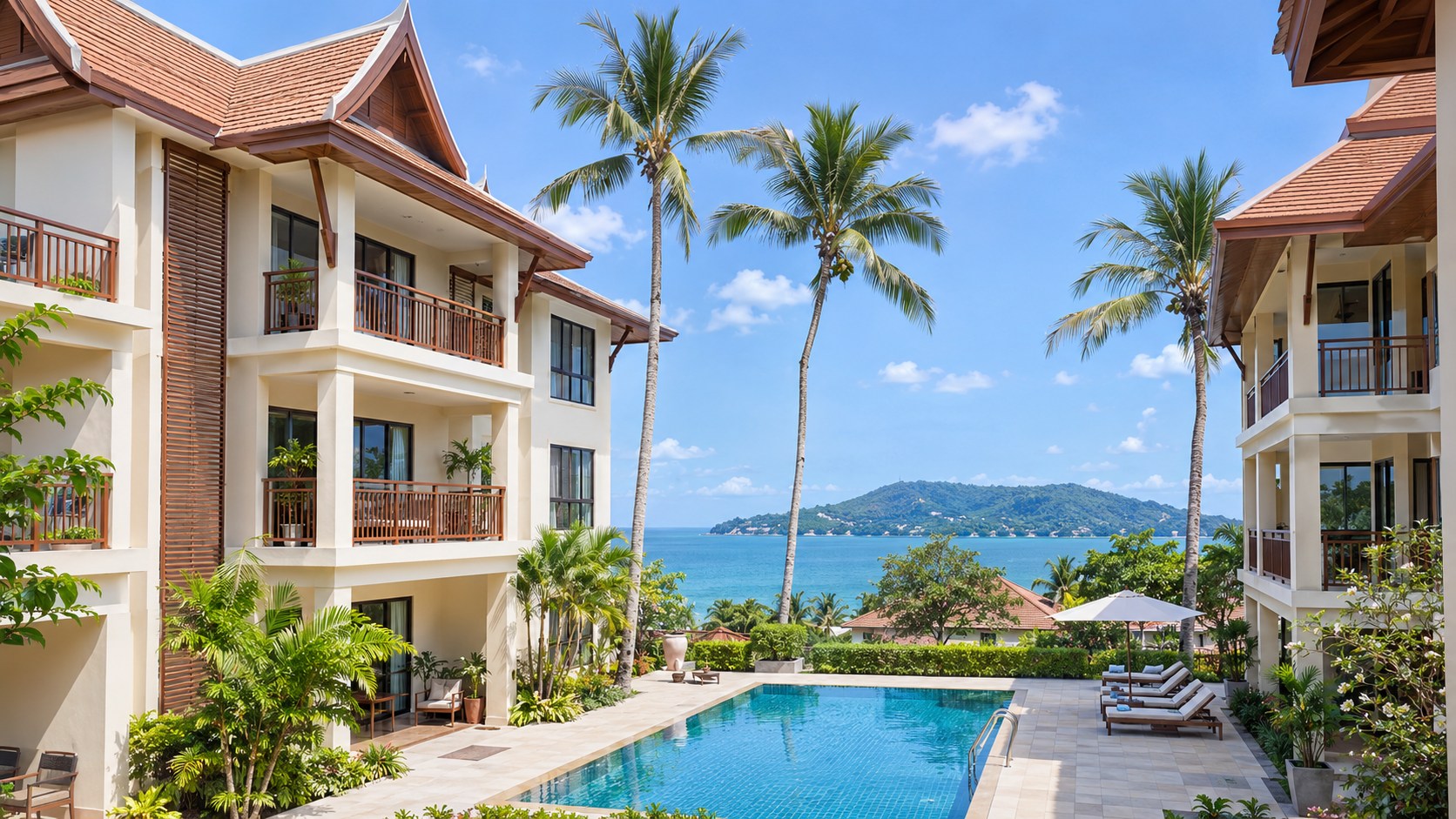
Samui’s appeal has long been associated with villas, tropical gardens and private pools. Condominiums offer another way to enjoy the island: a smaller private space, shared facilities and potentially less day-to-day responsibility for exterior maintenance. For an overseas owner who visits several times a year, that can be a practical combination.
The choice is also becoming more varied. The Koh Samui Condos project directory currently presents six developments across Lamai, Bophut and Chaweng. It includes a 2024 completion, a completed first phase, projects under construction and future handovers. This is a useful picture of the expanding product range, rather than an official census of every island project or a measure of annual sales.
Samui condominium projects to compare
| Project | Area | Advertised stage in the directory | Useful comparison question |
|---|---|---|---|
| Coral Condo Samui | Lamai | Under construction | How do the larger layouts and delivery terms fit your needs? |
| The Astra Samui | Bophut | Off-plan; target Q4 2028 | Can your plans accommodate the construction period? |
| Anava Samui | Bophut Beach | Advertised handover April 2027 | What tenure and rental-programme terms apply to the specific unit? |
| The Ville Condo | Chaweng Lake | Off-plan; target September 2027 | How do the freehold and leasehold offers differ? |
| Wing Samui Condo | Chaweng–Bophut | Phase 1 completed | Which building and phase are you actually buying into? |
| The Terraza Samui | Lamai | Completed 2024; resale availability | What do the building’s accounts and current condition show? |
Source: the linked project directory, checked for this article. These are marketing descriptions and target dates, not independent certification of construction progress, approvals or title. Obtain current documents before reserving.
One point deserves particular care: a property described as an apartment, residence or condo in marketing material should not automatically be assumed to offer a registered condominium title. Likewise, claims of unusually broad foreign ownership eligibility require the exact legal basis to be checked. Confirm the title and ownership route for the unit you intend to purchase.
What makes the Samui opportunity interesting?
Our positive view of Samui rests on the combination of island lifestyle and a widening choice of manageable homes. Buyers who like the destination but do not want to organise their own garden, pool and security staff may find a well-run condominium particularly attractive.
There is also room for different products. A compact apartment near shops and restaurants serves a different purpose from a larger home designed for longer stays. A resort-style rental programme is different again. The best purchase starts with deciding which of those uses matters to you, rather than choosing the highest advertised return.
For everyday living, test the unglamorous details: the route to the beach on foot, road access after heavy rain, supermarket convenience, parking, internet reliability, storage and the noise around the actual unit. A beautiful pool cannot compensate for a home that is awkward to live in.
New supply creates competition as well as opportunity
More projects give buyers greater choice, but they also mean future landlords and sellers will compete with newer stock. A development can be attractive in isolation and still be difficult to rent at its advertised rate if many similar units become available at the same time.
Ask how many units will enter a rental pool, whether owners must use a particular operator, how revenue is allocated and what happens when the initial incentive period ends. Review the annual service-charge budget and reserve funding. Low fees can look appealing at purchase but become expensive if they leave insufficient money for repairs.
Completed and off-plan purchases deserve different checks. With a completed building, inspect the actual apartment and the management record. With an off-plan purchase, examine the developer, land rights, required approvals, payment milestones, completion obligations and remedies for delay. An attractive rendering answers none of those questions.
3. Phuket: strong foreign transfers, Russian demand and a more selective market
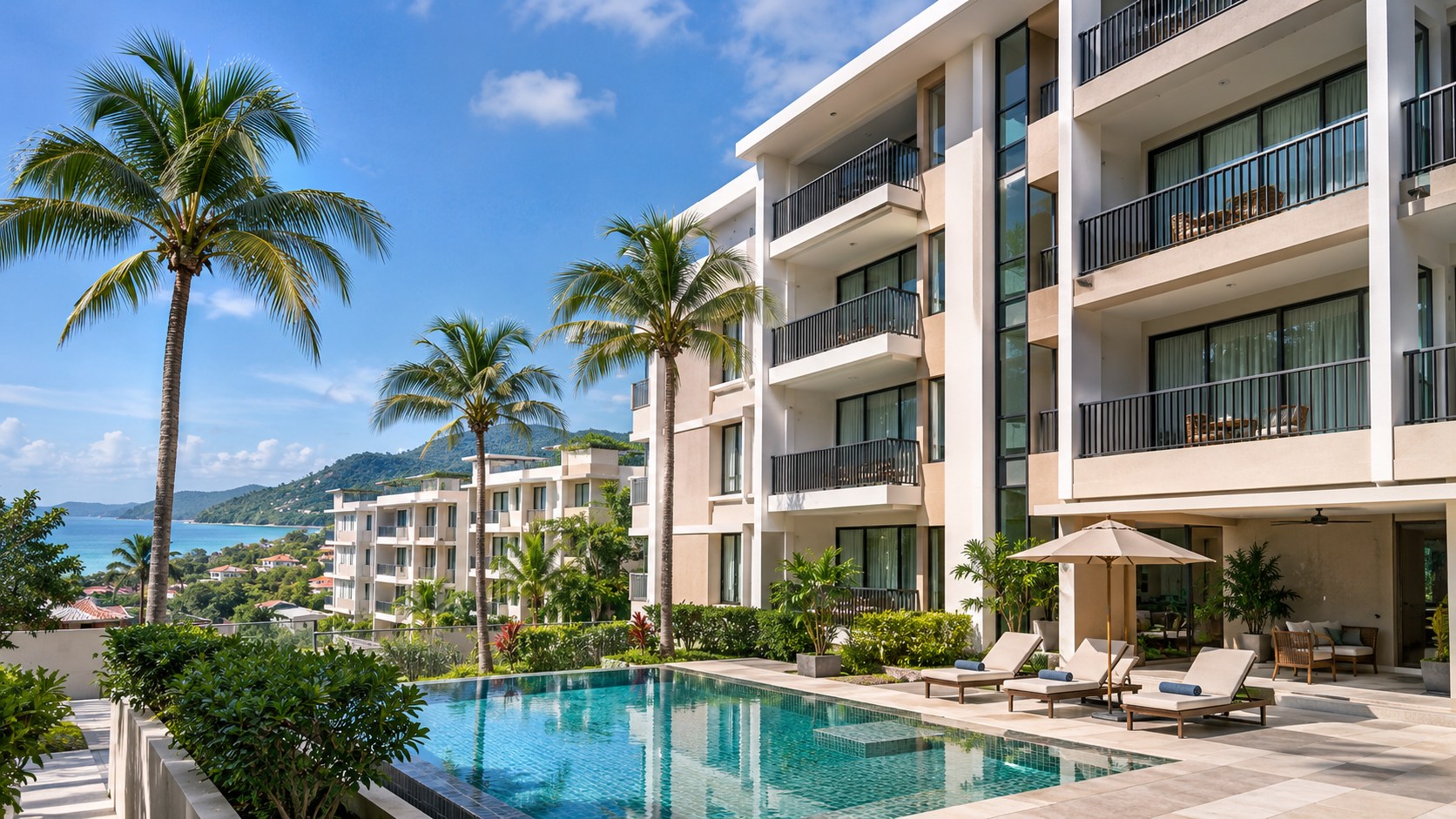
Phuket deserves credit for the scale of its international condominium market. Yet the most revealing figures show why it is important to distinguish new sales from the later registration of ownership.
Krungsri Research’s August 2026 Phuket outlook reports:
- 1,190 foreign condominium transfers in Phuket in 2025, up 18.3%, with a value of approximately THB 6.1 billion.
- 420 foreign condominium transfers in Q1 2026, up 52.2% year on year, worth about THB 2.4 billion.
- Russians among the largest foreign buyer groups, alongside Chinese, French, British and American purchasers.
- 4,758 new condominium sales in 2025, down 60.1% from the exceptional 2024 level, with 12,346 unsold condominium units at year-end.
The report explains that earlier pre-sales helped support later transfers. Its positive foreign-transfer figures therefore coexist with slower new sales and substantial competing supply. These are Phuket figures; nationwide Russian purchase totals should not be presented as if they all occurred on the island.
Why the Russian market matters
The Russian buyer segment is important to Phuket’s international residential market, but nationality alone does not tell us what a buyer wants. A family relocating for several years, a seasonal resident and an investor seeking rental income will evaluate very different apartments.
Our practical reading is to focus on those use cases. Longer stays make kitchens, laundry, storage, schools and healthcare access more relevant. Shorter holidays put greater emphasis on leisure facilities and easy access to attractions. A project that can serve real needs has a more convincing proposition than one whose appeal rests entirely on a forecast of future price rises.
For owners, dependence on any single overseas market also introduces exposure to exchange rates, travel connections, banking access and economic conditions. International demand is a strength; a broad tenant and resale-buyer base is stronger still.
Phuket condo projects to explore through MyThai.House
For concrete comparisons, start with these projects in our listings. They illustrate different Phuket locations and stages of development. We are presenting them as options to investigate, not claiming independently verified sales rankings.
- Fantasea Condo Kamala: a completed option on Phuket’s west coast, with Japanese-inspired design and a rooftop pool. It is useful for buyers who want to inspect a finished building.
- Fantasea Condo Rawai: a new-development option in southern Phuket. Compare its unit layouts and delivery terms against completed alternatives.
Another option is Ever Prime Residences Karon, a new development on Patak Road. It adds a Karon comparison to the Kamala and Rawai options above. Check the exact building, layout and delivery schedule when requesting details.
Ask for current availability, the applicable ownership quota, the full payment schedule and all recurring charges. Compare the individual apartment rather than assuming that every unit in a recognisable project has the same view, rental potential or resale prospects.
Compare the markets by what you need from the property
| Market | Potential fit | What to investigate closely |
|---|---|---|
| Bangkok | Urban living and access to work, transport and services | Comparable resale prices, rail access and building management |
| Pattaya | Coastal living with a wide range of established buildings | Competing inventory, quota availability and realistic resale demand |
| Koh Samui | Island lifestyle and a growing selection of shared-facility homes | Project stage, legal tenure, access and operating costs |
| Phuket | An established international resort and residential market | New supply, location-specific demand and rental-programme terms |
This is an editorial comparison, not a ranking of investment returns. Within each market, the difference between two buildings can matter more than the difference between two destinations.
What could change: foreign ownership quotas and Samui building heights
Could Thailand increase the foreign condo quota to 75%?
A proposal to increase the foreign condominium ownership ceiling from 49% to 75% has been discussed since 2024. However, the current legal review checked for this article says the 49% rule remains in force and the proposed increase has not been enacted. ThaiLawOnline’s November 2026 quota review distinguishes the proposal from current law.
If an increase eventually becomes law, its effects will depend on the final wording: where it applies, which buildings qualify, any conditions and how voting or management rights are handled. A larger foreign quota could widen the eligible purchaser pool in constrained projects. It would not automatically solve weak locations, excessive prices or poor management.
Our buying principle is simple: value the apartment under the rules that apply today. A future reform can be considered a possible upside, but it should not be necessary for the purchase to work.
Will Koh Samui allow buildings above 12 metres?
The possibility of allowing taller buildings in selected parts of Samui is a question worth monitoring. We could not verify an enacted increase or an official implementation timetable for this article. It would therefore be premature to tell buyers that a higher limit is coming soon.
Samui’s building controls also cannot be reduced to one island-wide number. A recent legal analysis distinguishes the familiar 12-metre restriction in local building rules from the separate environmental protection framework, land-use zoning and other site-specific conditions. Coastal position and terrain can impose tighter constraints. Read the explanation of Samui’s overlapping building rules.
If selected zones eventually permit greater height, the consequences could run in both directions. Additional homes might improve choice and project economics, while additional density could change views, traffic and competition. Buyers of existing sea-view units should consider neighbouring development potential as carefully as developers consider the opportunity to build more.
A buyer’s checklist for a changing condominium market
- Confirm the title and tenure. Establish whether the exact unit offers registered condominium ownership or a different contractual arrangement.
- Verify foreign quota availability. Obtain the relevant documentation and legal advice before committing funds.
- Compare realistic transaction evidence. Separate developer prices, resale asking prices and completed transactions.
- Inspect the financial health of the building. Review service charges, reserve funds, arrears and planned major works.
- Understand delivery risk. For off-plan property, check required approvals, milestones, completion terms and contractual remedies.
- Model net income. Allow for vacancy, management, maintenance, insurance, taxes, utilities and replacement costs instead of treating gross rent as profit.
- Check the intended rental use. Ownership does not automatically authorise every form of short-stay accommodation. Verify the applicable rules, permissions and building regulations.
- Plan your exit. Identify who might buy the unit later and what competing supply they will be able to choose.
A simple sensitivity calculation helps keep expectations grounded. If an apartment costs THB 5 million in total and produces THB 300,000 a year after operating expenses, the illustrative operating yield is 6%, before financing and income tax. If that income falls to THB 210,000, the yield becomes 4.2%. These are hypothetical figures, not a forecast for any project. The point is to test the downside before relying on an optimistic rental estimate.
Why Koh Samui remains a compelling condo market
My view is that Samui can be a great place to own a condo for the buyer who wants to use the island, values a manageable home and chooses a sound project at a sensible price. The expanding mix of completed and upcoming developments creates more ways to match the property to the owner’s lifestyle.
That is a stronger case than buying solely because a quota might rise or a height restriction might change. Bangkok and Pattaya show why substantial choice requires careful resale analysis. Phuket shows how strong foreign participation can coexist with slower new sales. Samui buyers can learn from both.
The best opportunity is a home with a clear ownership route, a useful location, credible management and numbers that survive a cautious calculation. Find that combination and future policy improvements become an additional possibility rather than the foundation of your decision.
Looking for your shortlist? Explore the Samui condo project directory, browse MyThai.House condominium listings, or contact our team to compare current availability, ownership options and the practical differences between projects.
Research note: figures retain their stated reporting periods; this article does not claim to contain full-year 2026 results. Market commentary is MyThai.House’s interpretation, not a promise of returns. Project information can change. Obtain independent Thai legal and tax advice for a specific transaction. All four editorial illustrations were AI-generated and do not depict the named developments.